
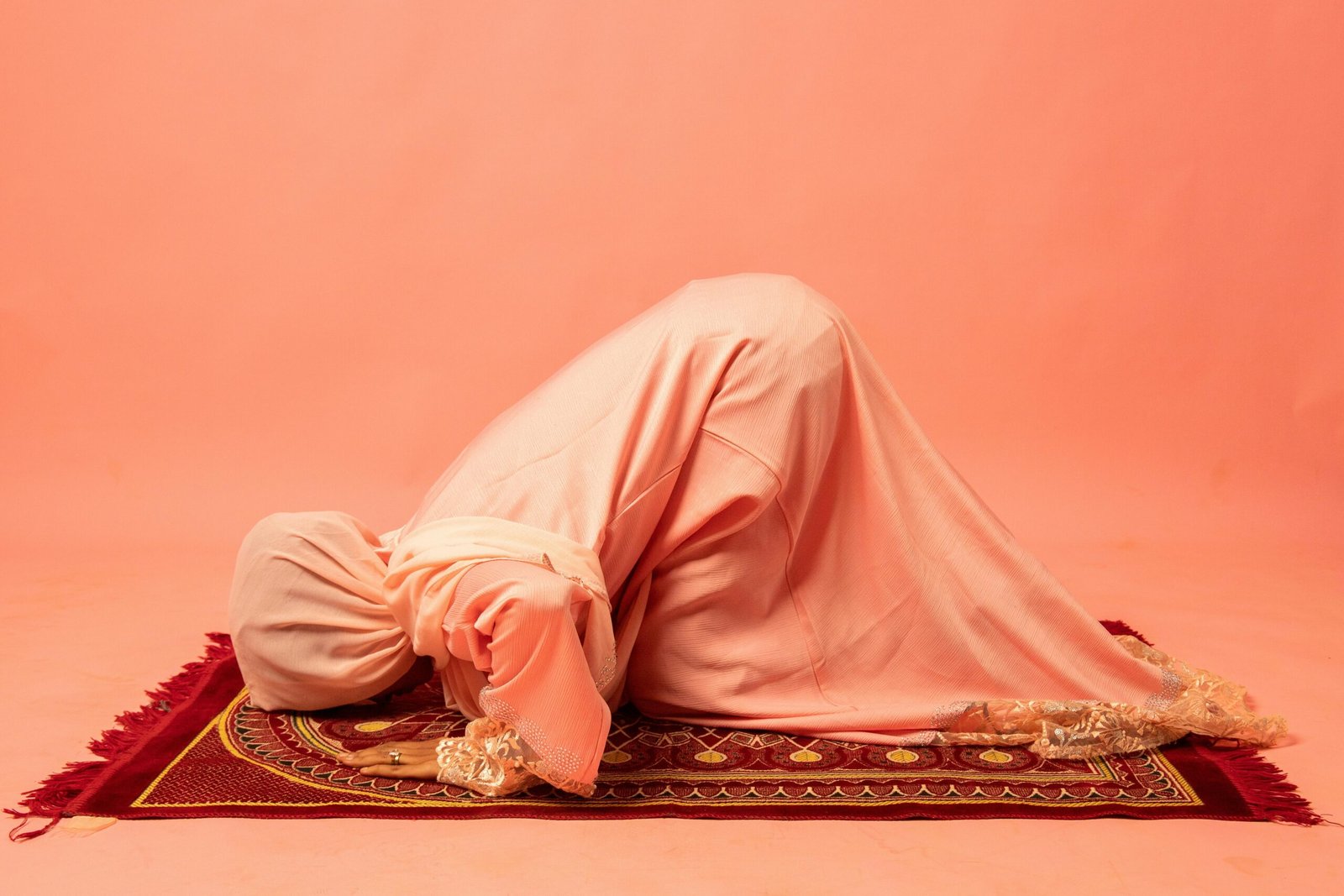
Returning to Salah: After a Long Absence
There is a particular kind of guilt that lives in the heart of someone who has stepped away from their Salah. It whispers: You’ve been gone too long. You are too far. You’ve lost the right to come back. This post is for you — and it wants to tell you that voice is lying.
The Door That Never Closes
Allah (SWT) says in the Quran:
“Say: O My servants who have transgressed against themselves, do not despair of the mercy of Allah. Indeed, Allah forgives all sins. Indeed, it is He who is the Forgiving, the Merciful.” (39:53).
The word used — all sins — is total. There is no asterisk. No exception list. No minimum iman requirement before you are allowed to return. The Prophet (SAW) told us of a man who had committed a hundred murders and still found the path back to Allah. If the gate is open for him, it is open for someone who missed Fajr for a
year. Or five years. Or twenty.
“Do not despair of the mercy of Allah. Indeed, Allah forgives all sins.”
— Quran 39:53
Why We Step Away
Before we talk about coming back, it helps to understand why we leave. For most people, it is rarely a dramatic rejection of faith. It is more often a slow drift; stress, grief, confusion, sin that brings shame, or simply the overwhelming busyness of a life that leaves no room for five pauses a day.
Some people leave because they associate salah with fear rather than love. Others because they feel they are not “good enough” to stand before Allah until they have fixed themselves first. Both of these are gentle misunderstandings of what salah actually is: not a performance review, but a conversation. Not a requirement you meet when you are worthy, but a lifeline you reach for when you are struggling.
How to Begin Again
Start with one prayer. Not all five at once. The weight of trying to rebuild everything overnight often leads to paralysis. Choose one — perhaps Maghrib, perhaps Fajr. Let that be your return. Let the rest follow.
Don’t wait until you feel ready. The feeling of readiness often comes after action, not before. The wudu, the standing, the words — they have a way of softening the heart that no amount of mental preparation can replicate.
Release the guilt before you begin. Make istighfar, sincere repentance. Not as a formal ritual, but as a genuine exhale. Tell Allah you are sorry, that you want to come back, that you need His help to do it.
Make your prayer space beautiful. A clean prayer mat, a scent you associate with peace, a moment of stillness before you begin. These small, sensory anchors help the body recognize: this is a sacred time.
Find accountability. A friend who prays, an app that tracks, a community class that gives you a reason to show up. Connection makes consistency more possible.
What Salah Is, When You’ve Been Away
When you return to salah after a long absence, something interesting happens: you often feel it more than you ever did before. The words, so familiar from childhood, carry new weight. The sujood, the moment of prostration, hits differently when it is chosen freely, after a period of distance.
This is not accidental. The heart that has known distance recognizes the gift of return. And Allah, who sees all things, knows that your return however small, however stumbling, is an act of immense courage.
You don’t need to explain the years away. You don’t need to earn your way back. You just need to stand on whatever prayer mat you have, in whatever state you’re in and begin. Allah has been waiting, and He is glad you came home.